
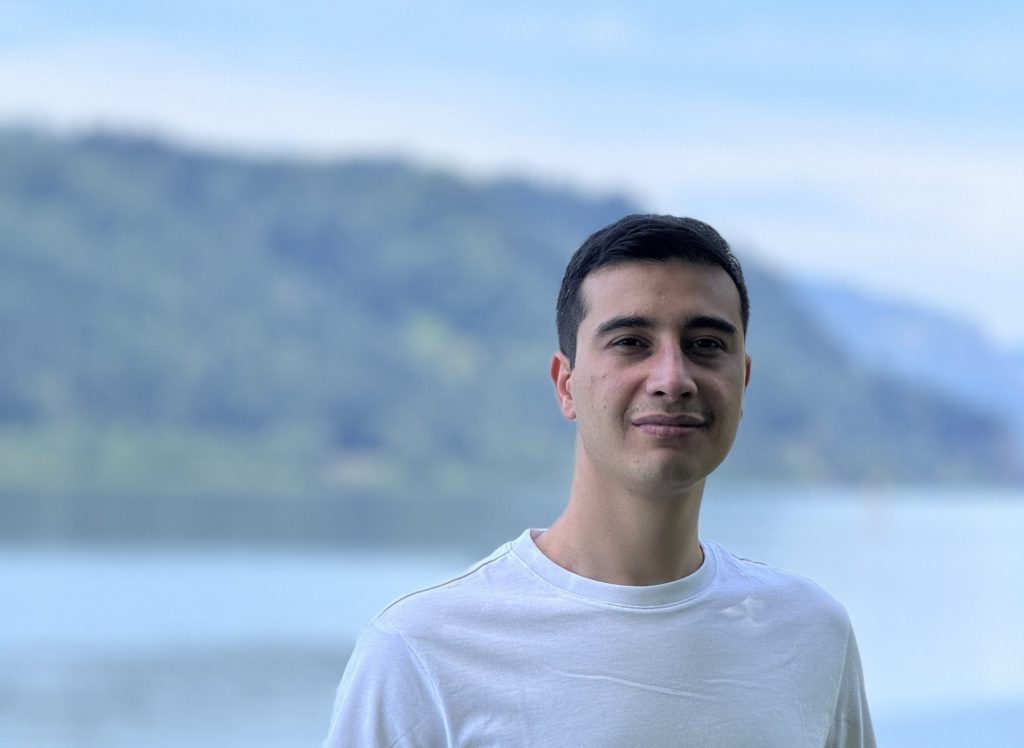
Benyamin Jalilnavaznovin
benyamin@pdx.edu
Curriculum Vitae
Benyamin’s research centers on exploring the cyclic behavior of natural silt in pile-supported wharves during seismic events. He utilizes a combination of conducting centrifuge tests at the Natural Hazards Engineering Research Infrastructure (NHERI) facility at UC Davis and numerical simulations to gain insights into how these structures perform under cyclic loading. This work aims to enhance the resilience of waterfront infrastructure by improving understanding of soil-structure interaction during earthquakes.
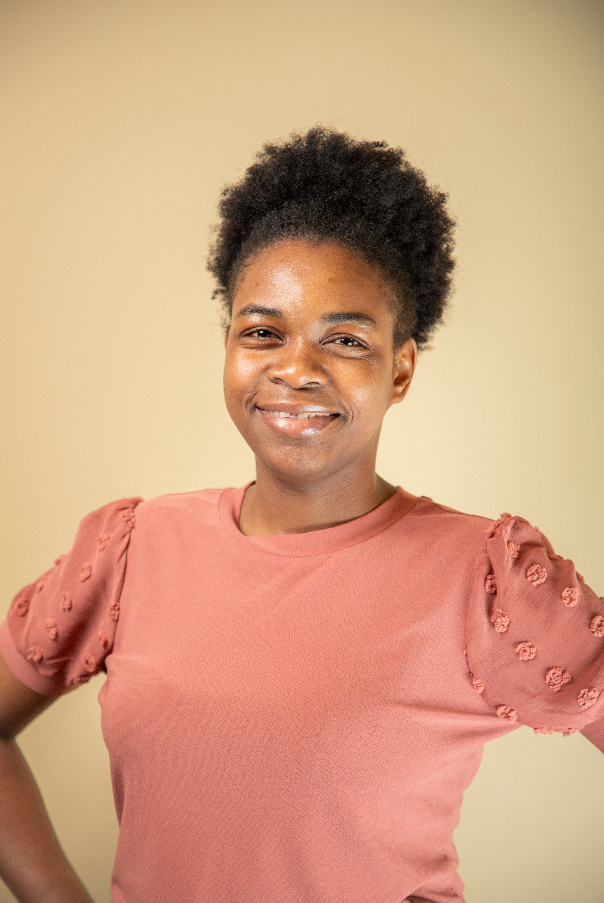
Fadzai Zivanai
fzivanai@pdx.edu
Curriculum Vitae
LinkedIn
Fadzai Zivanai is a first-year PhD student whose research focuses on evaluating the longevity and applicability of retreatment for Microbially Induced Desaturation (MID) in liquefiable fine-grained soils. MID is a ground improvement technique that mitigates soil liquefaction by promoting in situ gas generation through microbial activity on nitrate nutrients. She has conducted field and lab-scale investigations into factors affecting the longevity and distribution of MID-induced gas in fine-grained soil systems.
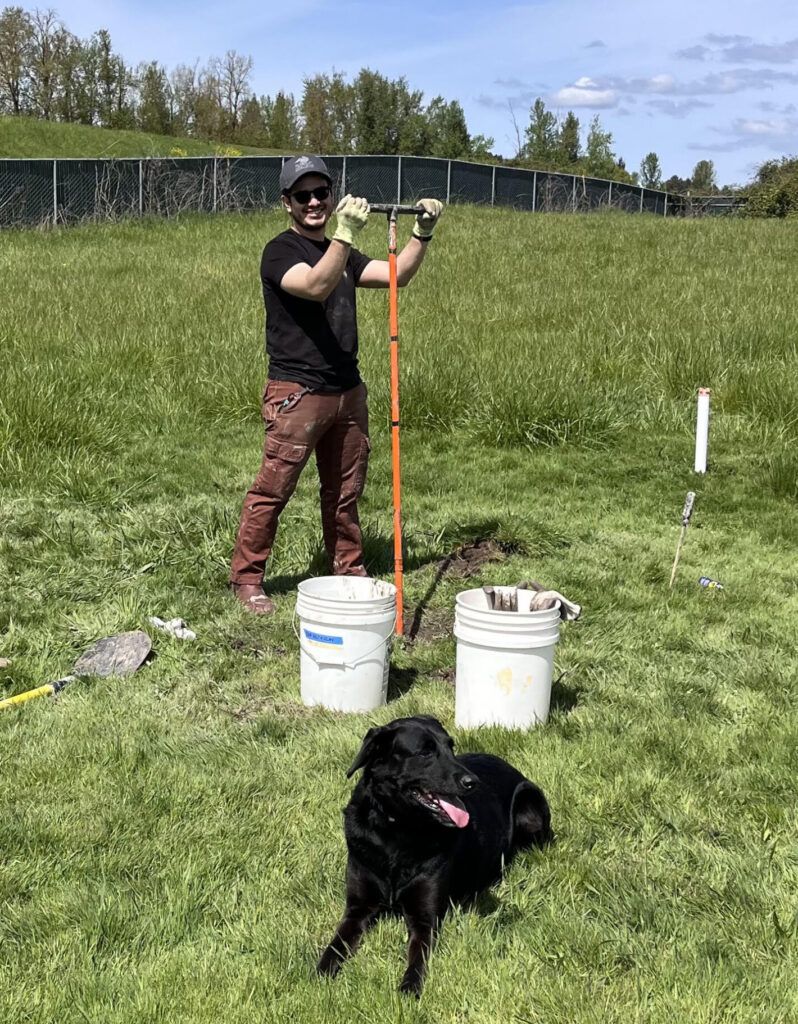
Salvador Beltran
sbeltran@pdx.edu
Curriculum Vitae
LinkedIn
Salvador is a second year PhD student working on developing a CSL-based framework for interpreting CPTu data. His work focuses on fundamental soil behavior and seeks to move CPTu interpretation beyond empirical correlations toward a theory-based approach. He plans to extend this framework to non-standard soils, such as mine tailings, where a CSL-based interpretation can lead to improved reliability and risk assessment.
Monir Hossain
mhossain@pdx.edu
Cirriculum Vitae
LinkedIn
Google Scholar
Monir Hossain is a graduate research student in Geotechnical Engineering at Portland State University. His research focuses on advanced experimental investigation of Microbially Induced Desaturation (MID) as a mitigation technique for earthquake-induced liquefaction, with particular emphasis on fine-grained silty soils. Through specialized laboratory testing, he evaluates the effectiveness and long-term durability of MID to address critical knowledge gaps related to the stability of bio-mediated ground improvements over infrastructure-relevant time scales.

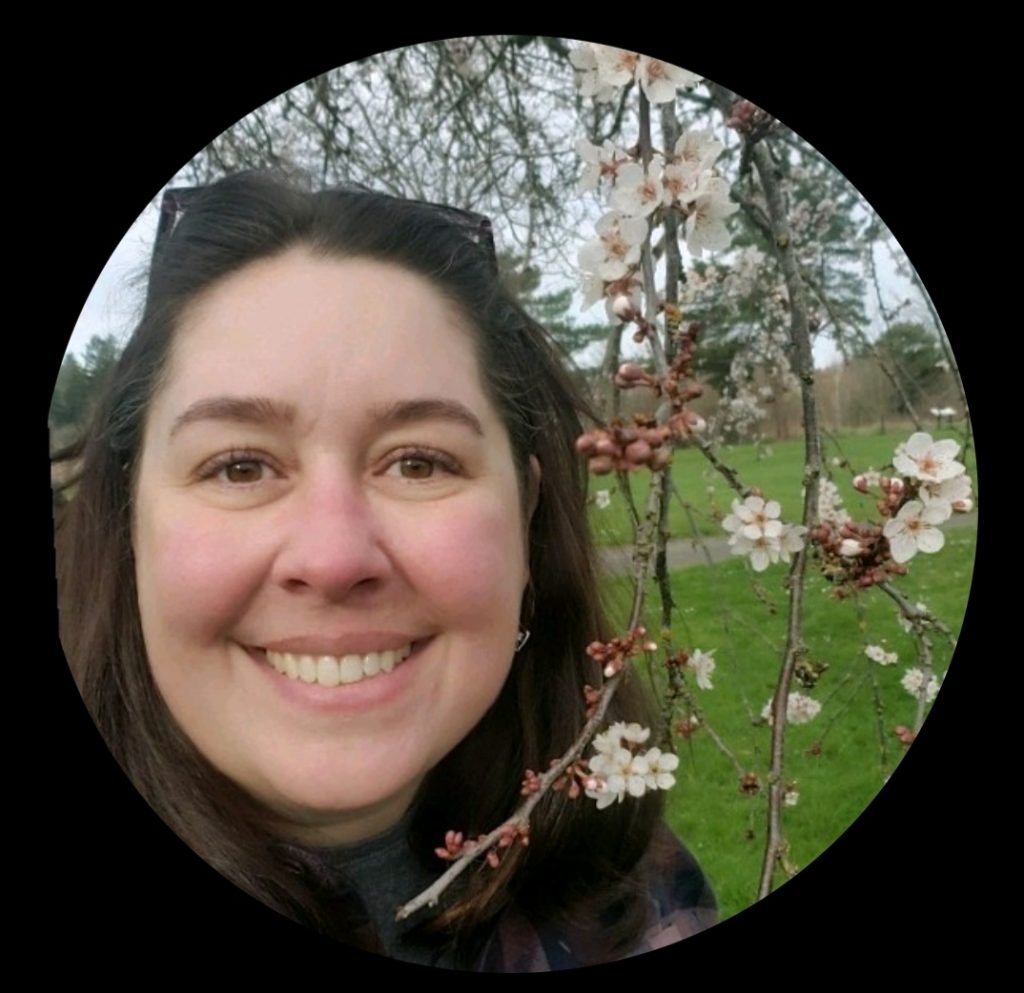
Michelle “Chelle” Guckenheimer
mag7@pdx.edu
Curriculum Vitae
Chelle is currently working on creating lab manuals for PSU’s new high-stress triaxial device and testing Standard Sands at high stresses. This research will be empirical data to show justification for current numerical and finite models. The triax has the ability to reach 20 MPa and 6 internal and external transducers.
Jonas Nkurikiyinka
jonasn@pdx.edu
Curriculum Vitae
LinkedIn
Jonas is a Master of engineering student in Civil and Environmental Engineering at Portland State University. He has more than 5 years of practical experience with residential, commercial and transportation projects, his geotechnical interests focus on foundation design, slope stability analysis, site investigation, seismic analysis and design of retaining structures.


Joshua Robles
joshro@pdx.edu
Curriculum Vitae
Joshua’s research focuses on the geotechnical challenges associated with construction on diatomaceous soil deposits in Oregon, with a specific emphasis on the Oregon Department of Transportation (ODOT) Wickiup Junction overpass site in Central Oregon. Driven by the critical need to address excessive settlement and high mitigation costs in these non-standard geomaterials, the study utilizes advanced soil numerical modeling to simulate embankment behavior. The primary objective is to develop a robust settlement model that functions as a translational research case history to bridge the gap in current engineering literature. By synthesizing data from previous ODOT initiatives, the work aims to establish standardized design charts for these unique soil conditions. Ultimately, this highly applied research seeks to deliver practical design tools that improve construction standards and reduce risks for future infrastructure projects.
Xivianne Matos
xmatos@pdx.edu
LinkedIn
Xivianne is undergraduate civil engineering student with interests in geotechnical engineering, groundwater–soil interactions, earthquake resilience, and the performance of earth structures such as dams and levees. They support research on microbially induced desaturation (MID) within the department, and are an active member of the Earthquake Engineering Research Institute (EERI) undergraduate student chapter.

Nadeem Hanayneh
nadeem2@pdx.edu
Curriculum Vitae
LinkedIn
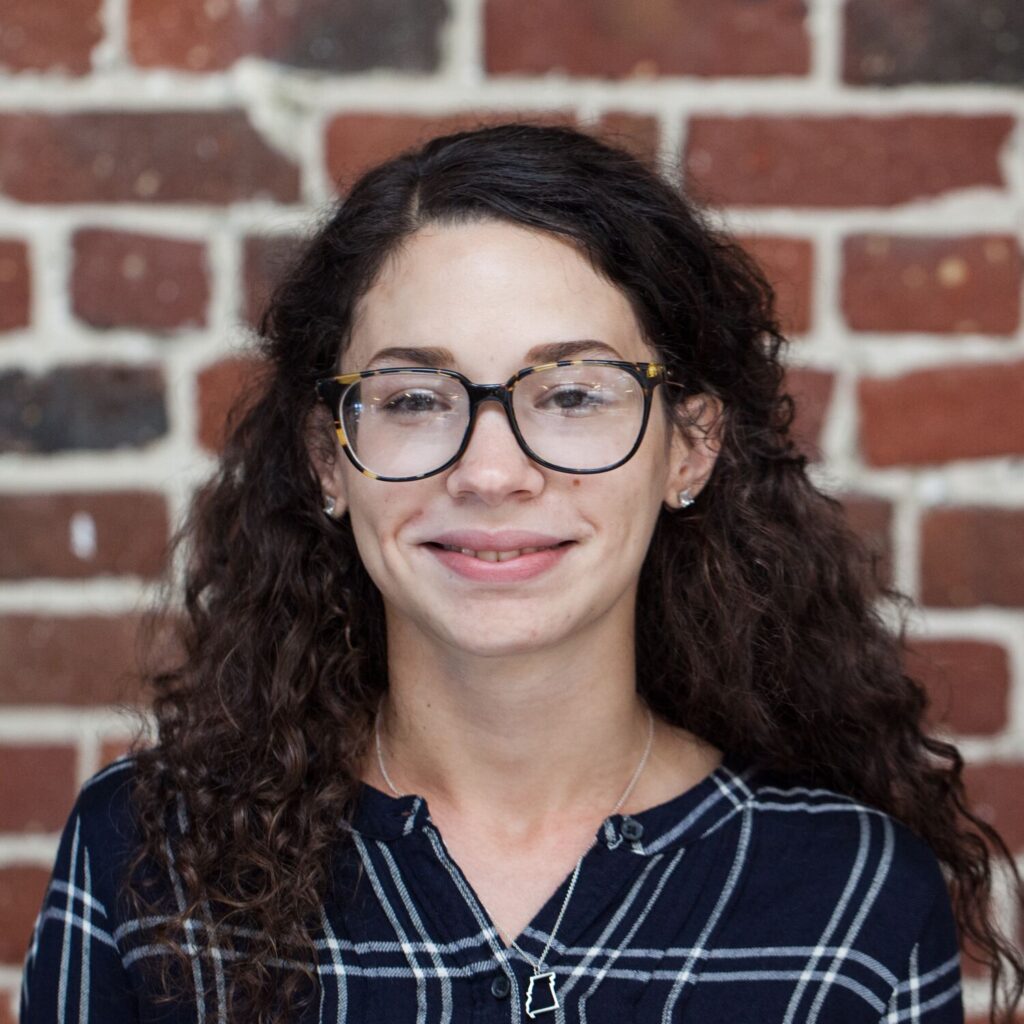
Nadeem is a M.S. student whose research focuses on characterizing post-cyclic shear strength and stiffness degradation in local Pacific Northwest silt-rich soils. He conducts monotonic, cyclic and post-cyclic direct simple shear tests on intact silt specimens to gather data to analyze. The goal of his research is to develop a stronger understanding of silt soil liquefaction susceptibility.
Petra Martins
petram@pdx.edu
LinkedIn
Petra is a M.S. student whose research centers on strain accumulation behavior in low-plasticity silts under cyclic loading, with an emphasis on improving how these soils are characterized in seismic evaluations.
She currently balances her role as a Geotechnical Scientist with her M.S. studies in Geotechnical Engineering at Portland State University. Her work focuses on subsurface investigations, drilling oversight, field testing, and soil characterization, supported by practical industry experience.


Julia Rosenblit
julia36@pdx.edu
Julia is a PhD student in geotechnical engineering. She has a background in geophysics. Julia’s research focuses on microbially induced desaturation (MID).
Nabin Bhattarai
nabin@pdx.edu
Curriculum Vitae
LinkedIn
Nabin is a master’s student in Civil Engineering specializing in Geotechnical Engineering at Portland State University. He earned his bachelor’s degree in civil engineering from Portland State University in 2023. He has professional experience in geotechnical investigations, pavement evaluation, subsurface exploration, and construction materials testing. His academic interests include advanced soil mechanics, soil behavior, foundation engineering, and geotechnical applications in infrastructure development. He aims to further develop his technical knowledge and apply it to practical geotechnical engineering challenges.


Iman Ahmad
iman5@pdx.edu
LinkedIn
Iman is a M.S. student who’s researching the effects of different consolidation methods on cyclic shear resistance of Pacific Northwest silts. Her research involves tested silt specimens being evaluated for soil liquefaction. Specifically, she is determining which consolidation approach is efficient for testing silts in a CDSS device.
Moumita Paul Aishi
mouaishi@pdx.edu
Curriculum Vitae
Moumita is a M.S student in geotechnical engineering. Her research focuses on CPT-based site characterization and uncertainty quantification in CPTu interpretation. Through the CAREER cone penetration testing and site investigation project, she aims to improve the reliability of subsurface characterization and geotechnical site investigation by accounting for uncertainties in interpreting CPTu data.


Deshna Maharjan
deshnam@pdx.edu
Curriculum Vitae
LinkedIn
Deshna is a Civil Engineering undergraduate at Portland State University with interest in geotechnical engineering. Her lab experience centers on conducting soil testing and utilizing ultrasonic cleaners for precise soil separation analysis. Passionate about learning and problem-solving, she is actively exploring various emerging sub-disciplines and research opportunities to broaden her scope and practical expertise.
Abhishek Koirala
akoirala@pdx.edu
Abhishek is a PhD student studying geotechnical engineering. His current research focuses on the combined effects of liquefaction-induced lateral spreading and superstructure inertia on bridge pile foundations during earthquakes. The study investigates how inertial (I) and kinematic (K) forces interact and influence the behavior and stability of pile foundations. The research uses shake table test data to understand the response of piles under earthquake loading. Numerical modeling tools, such as OpenSees and FLAC, are also used to simulate pile behavior, validate experimental results, and better understand the combined effects of these forces.


Riffat Shahrin Ridi
rridi@pdx.edu
Riffat Shahrin Ridi is a PhD student in geotechnical engineering. Her research focuses on the numerical modeling of diatomaceous soils, particularly their stress–strain behavior and settlement response under embankment loading, as part of an Oregon Department of Transportation (ODOT) research project. She is interested in constitutive soil modeling, model calibration and validation, and the application of numerical methods to geotechnical engineering problems. Her broader research interests include soil–structure interaction, ground improvement, and foundation engineering